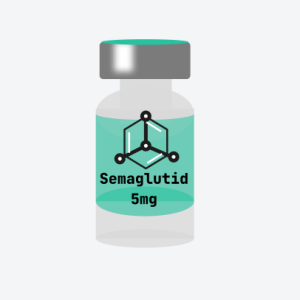
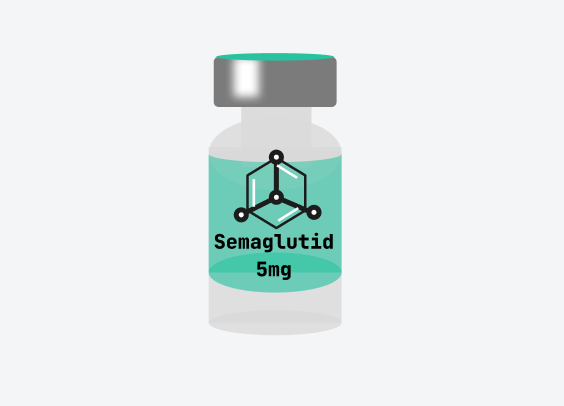
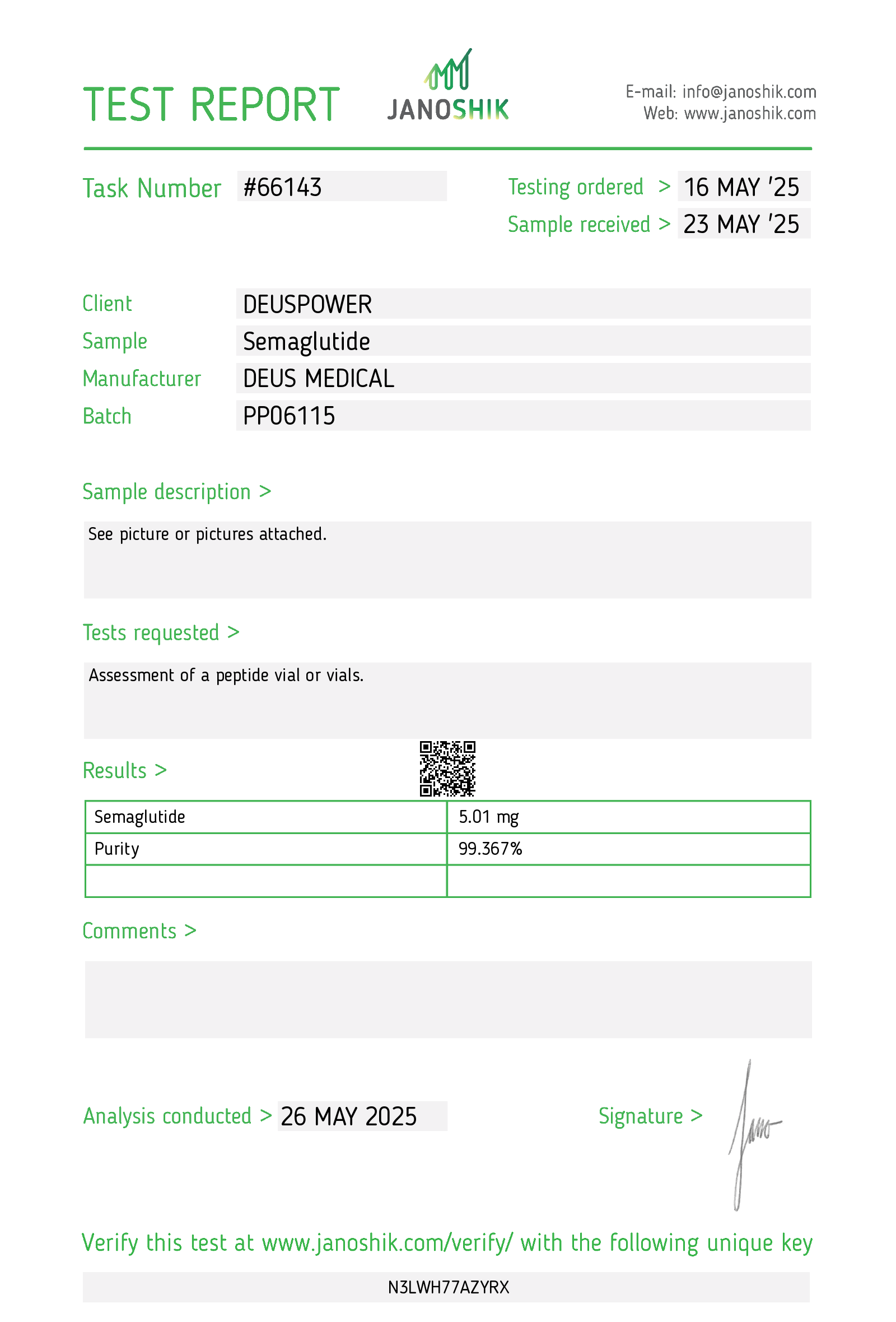
Semaglutide is a synthetic peptide belonging to the group of GLP-1 (glucagon-like peptide-1) receptor agonists and is the subject of intensive scientific and clinical research. Studies examine its ability to mimic the effects of the natural GLP-1 hormone, which plays an important role in regulating blood glucose levels, appetite, and the body’s energy balance.
Research primarily focuses on its effects on carbohydrate metabolism and body weight regulation. In experimental and clinical observations, semaglutide is associated with delayed gastric emptying, increased feelings of satiety, and reduced energy intake, making it a significant subject of research in the field of metabolic processes. Further studies investigate its impact on insulin sensitivity and glucose control through actions on the central nervous system and the gastrointestinal tract.
In addition to its metabolic effects, semaglutide is also studied in relation to the cardiovascular system and inflammatory processes, as GLP-1 receptors are present in various tissues throughout the body. Scientific interest is concentrated on its long-term effects and mechanisms of action within the framework of hormonal regulation and the body’s energy homeostasis.