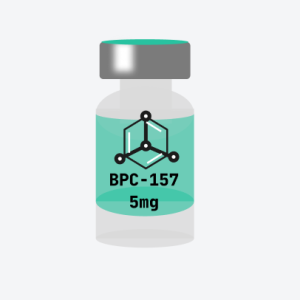
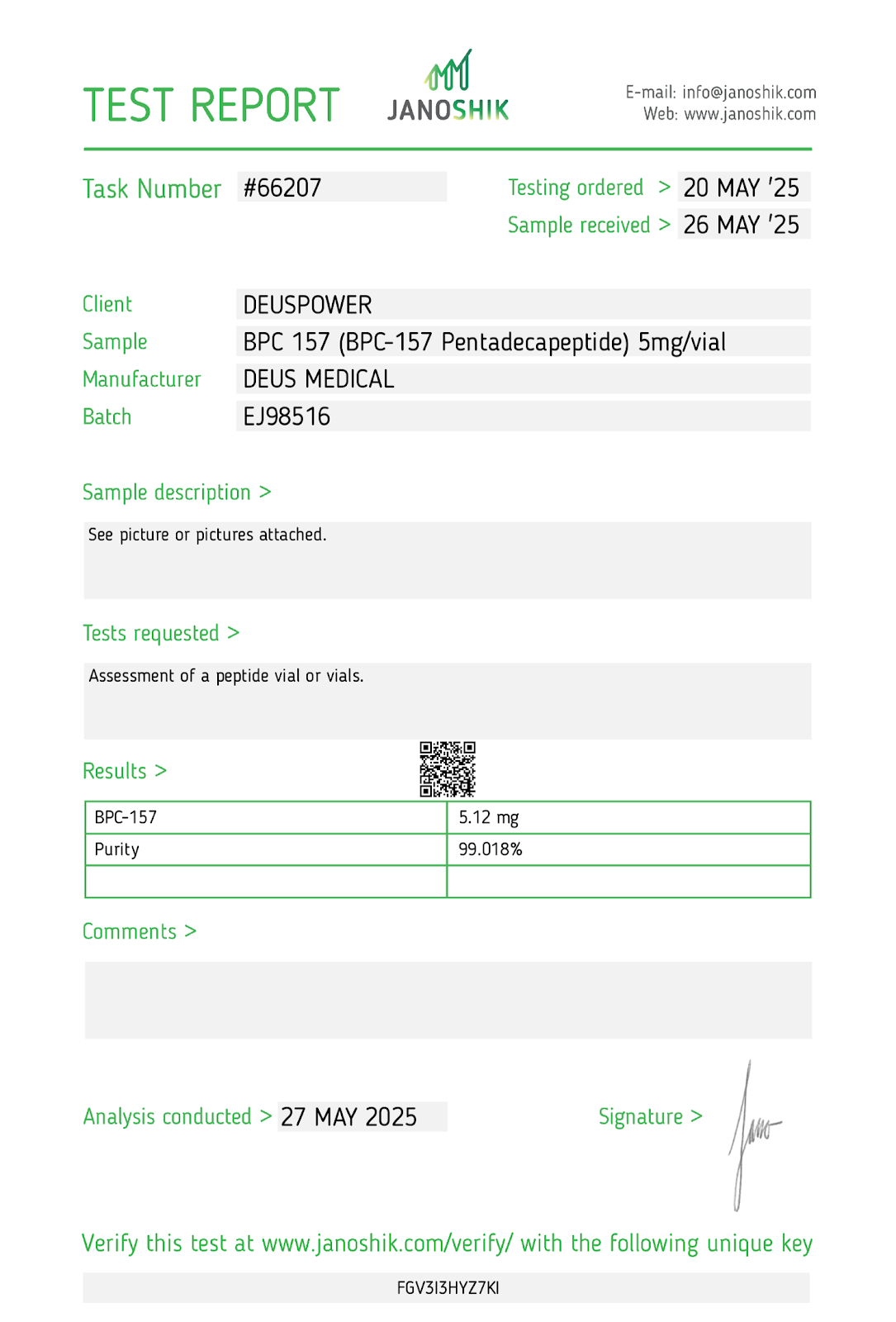
BPC-157 (Body Protection Compound 157) is a synthetic peptide composed of 15 amino acids, derived from naturally occurring proteins of the gastric mucosa, and is the subject of extensive preclinical research. Scientific studies investigate its effects on regenerative and protective mechanisms of the body across various biological systems. Research models suggest its involvement in soft tissue repair processes, including muscles, tendons, and ligaments, as well as in the protective mechanisms of the skin and mucosal tissues. A significant portion of the research focuses on the digestive tract, where BPC-157 is studied in relation to inflammatory processes and the regeneration of the intestinal lining in models of inflammatory bowel diseases.
Additional scientific studies examine its effects on the nervous system, particularly in the context of neuroprotection, stress response, and nerve tissue regeneration. BPC-157 is also being investigated for its ability to promote angiogenesis—the formation of new blood vessels—and for its interactions with the nitric oxide system, which plays a role in the regulation of inflammation, vascular function, and cellular signaling.